
Transitional & Post-Hospital Care · Farmington Hills

Post Hospital Care at Home in Farmington Hills

The first weeks home are where a recovery quietly slips. We stay close through that fragile stretch in Farmington Hills, so the healing holds and nobody returns to the bed they fought to leave.

Short-term installs · typical timeline
Free Quote

Free Transitional & Post-Hospital Care quote.

We reply within 1 business hour. No spam, ever.

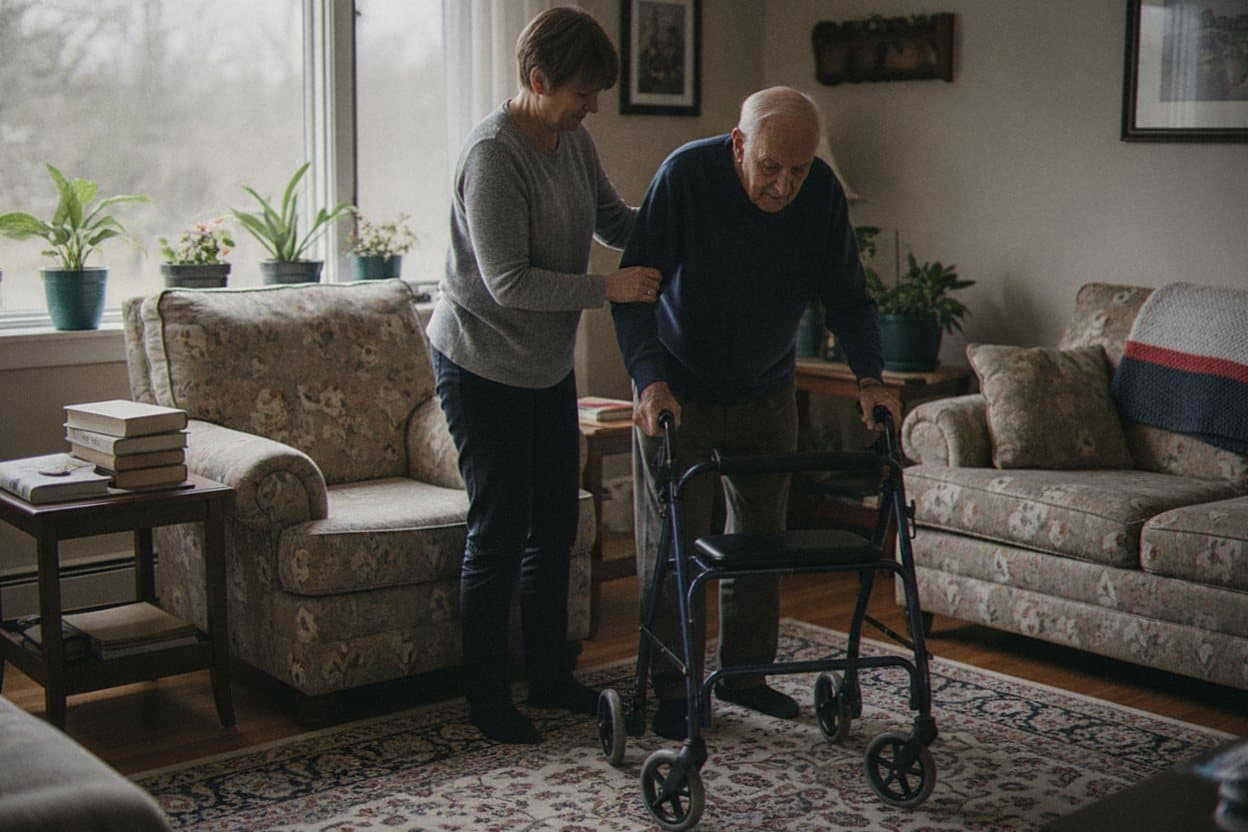
Woman practices walking with walker safely
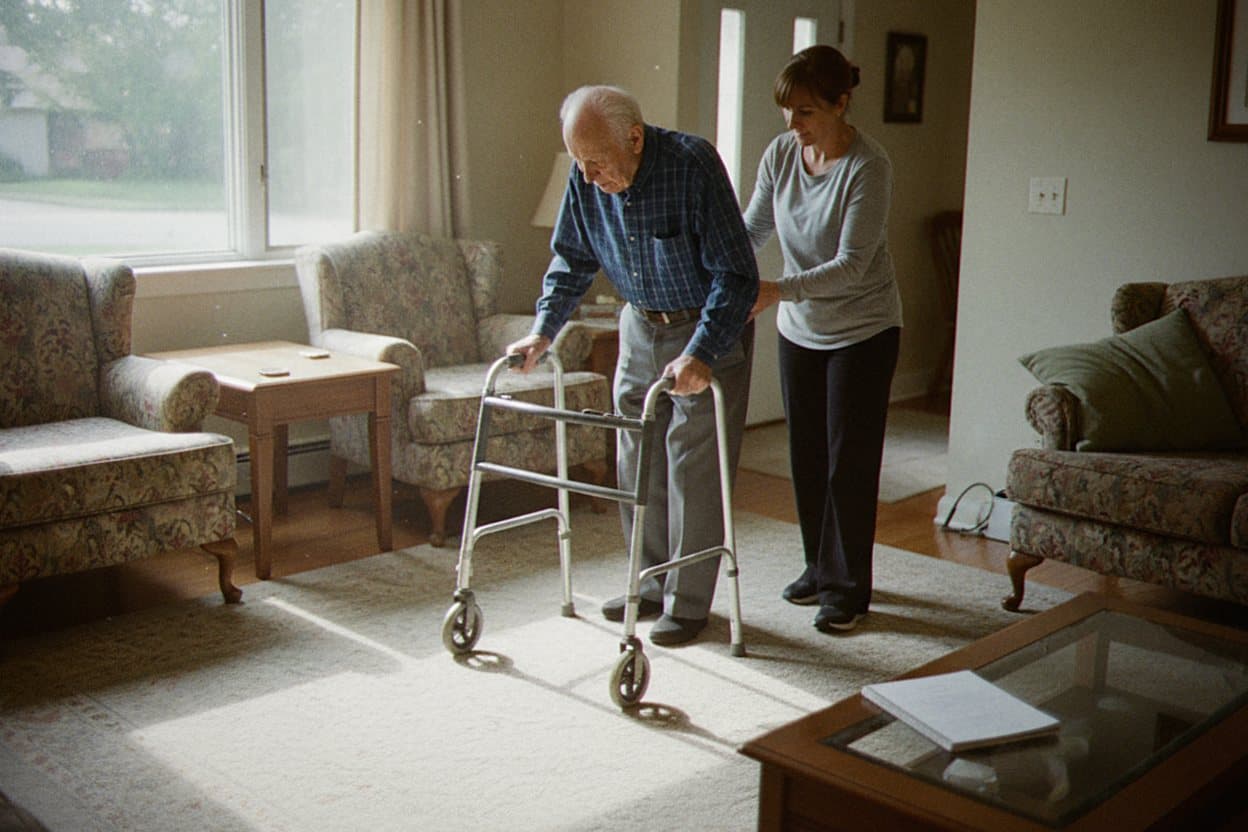
Person rests in bed during recovery
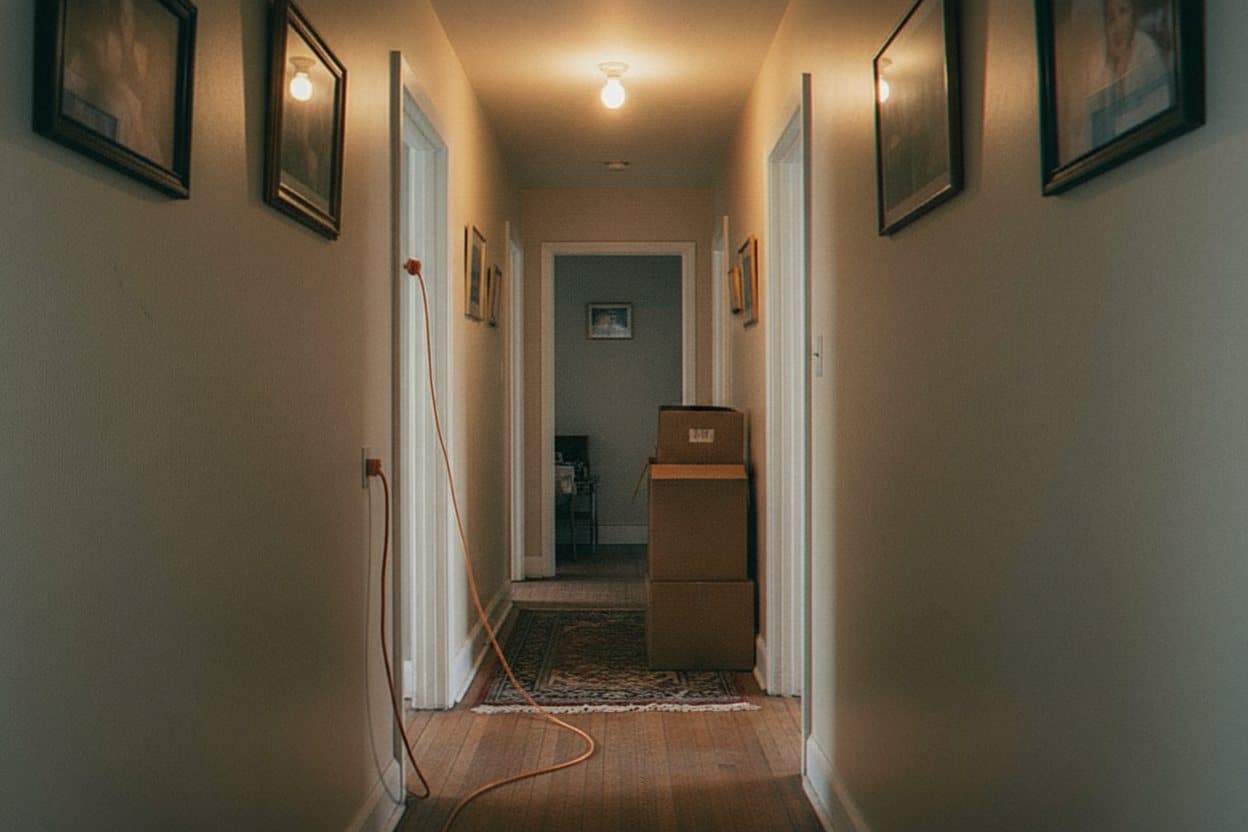
Hallway has tripping hazards and clutter
How we help

What we cover from the first day home

The day a hospital sends you home is busier than it looks. A folder of orders, a bag of new pills, a body that tires fast. We are at the door for all of it. We read through the discharge notes with you, then build the medicine times into a rhythm you can hold without much thought. We walk the route from the bed to the bathroom and clear what could trip a tired foot. The things you reach for most move within easy range. Those first hours set the tone, so we give them real attention.

Most people come home weaker than they planned for. A short trip to the kitchen can feel like a climb. We are there for the slow parts, the bathing and dressing and the careful steps down the hall while balance comes back. We also watch the quiet signals. Swelling in the ankles, a skipped meal, a new fog that shows up after dark. When something looks off, we reach your care team early, long before a small worry becomes another night under hospital lights.

  • We meet you at discharge and carry the new orders home with you.
  • Medicine reminders arrive on time, every dose, through every day.
  • Hands on help with bathing, dressing, and short walks that rebuild strength.
  • We watch the warning signs and reach your nurse before they grow.
  • Rides to every follow up visit across Farmington Hills and Oakland County.
Recovery is won at home in the quiet hours, and that is where we choose to stand.

We hold the same small team on your case from the first morning. You never retell your story to a new face at the start of a shift. The caregiver who learned your habits on Monday is the one who catches on Friday that something feels wrong. That steadiness is why these early weeks run smoother with us in the house. As your strength returns, we step back on purpose, handing each small win back to you until the help is no longer needed.

If a hospital stay is winding down, call us before the discharge date lands. We can have a plan written and a caregiver ready for the morning you walk back through your own door.

Materials

The home setup that keeps a recovery on track

A safe home does more for recovery than most people expect. Before the first morning, we walk every room your loved one will use and clear the small traps that send tired feet sideways. Loose rugs come up. Cords get tucked away. A clear path runs from the bed to the bathroom and on to the kitchen. We set a chair where a rest stop makes sense, so a long hallway never turns into a fall.

We also bring the small aids that make daily living simpler while strength returns. A raised seat in the bathroom. A grab bar within easy reach. A pill organizer that lays out each dose so nothing slips in the fog of a hard week. None of it needs to be fancy. It needs to be in the right spot, ready the moment a hand reaches for it, and we make sure it is.

  • Loose rugs and cords cleared from every walking path
  • Grab bars and raised seats placed where they help most
  • Discharge orders and pill times posted in plain sight
Organized kitchen with accessible labeled items
Caregiver washes hands before patient care
What about the alternatives?

Ways to handle the first weeks home

Every family weighs a few options when a hospital sends someone home. Here is how the common ones tend to play out in Farmington Hills, and where we fit.

Family does it all

Love runs deep. So does the exhaustion, and round the clock duty wears a family down faster than anyone plans for, leaving the subtle warning signs to the people who were never trained to spot them.

Acceptable

A rotating agency

A new face each shift means the story starts over every single morning. The caregiver who never learned the habits is the one who misses the change that mattered most.

Skip

Our transitional care

One small team learns your loved one and stays through the whole fragile stretch of weeks. We carry the orders. We watch the quiet signals and step back, day by day, as real strength returns.

Recommended

No extra help

Going it alone is how a hard won recovery quietly slips. A skipped dose or one bad fall can send someone right back to the bed they fought so long to leave.

Skip
How it goes

From quote to walk-on, fast.

01

Your inquiry

Call or send the short form with what is going on at your place. A sentence or two is plenty for the first step.

02

We talk it through

We go over the situation on the phone, ask the questions that matter, and tell you what we would do next.

03

A clear plan

You get a plain-language rundown of the work, the order it happens in, and what to expect on the day.

04

The work gets done

Our crew shows up when we said, does the job, and walks you through the result before leaving.

Before you book

Honest answers before the discharge date

Families ask us the same handful of things when a hospital stay is winding down. Here are straight answers, no runaround.

How long do we usually need it?
Most families lean on us heavily for the first two or three weeks, when the body is weakest and the orders are freshest. After that the need usually eases as strength comes back. We taper the hours with you, handing each task back as your loved one is ready, so the help only stays as long as it earns its place.
Can you work with our home health nurse?
Yes, and we do it every week. We follow the orders your nurse sets and tell them the moment anything shifts. If swelling rises or a wound looks wrong, they hear from us early, while the fix is still small. We work in step with your medical team, never around them.
What if the hospital stay was short?
Short stays still leave people weaker than they expect. A quick procedure can knock the wind out of someone for days. We can come for just a week, or even a few days, to cover the wobbly stretch until the footing feels sure again. There is no minimum we hold you to.
Aftercare

Keeping the recovery steady once we step back

When the help winds down, a few simple habits keep the progress from slipping. Hold the routines that worked while we were there. The clear paths, the steady pill times, the easy meals waiting on the shelf for a low energy day. Most setbacks trace right back to one small thing let go too soon. If a new worry shows up, a fall, a fever, a fog that will not lift, call the doctor early. We would rather you make the call and be told all is well than wait and lose the ground you worked so hard to win.

  • Keep the grab bars and clear walking paths in place
  • Hold the pill routine even on the good days
  • Know the warning signs that mean a call to the doctor
  • Keep a few easy meals stocked for low energy days
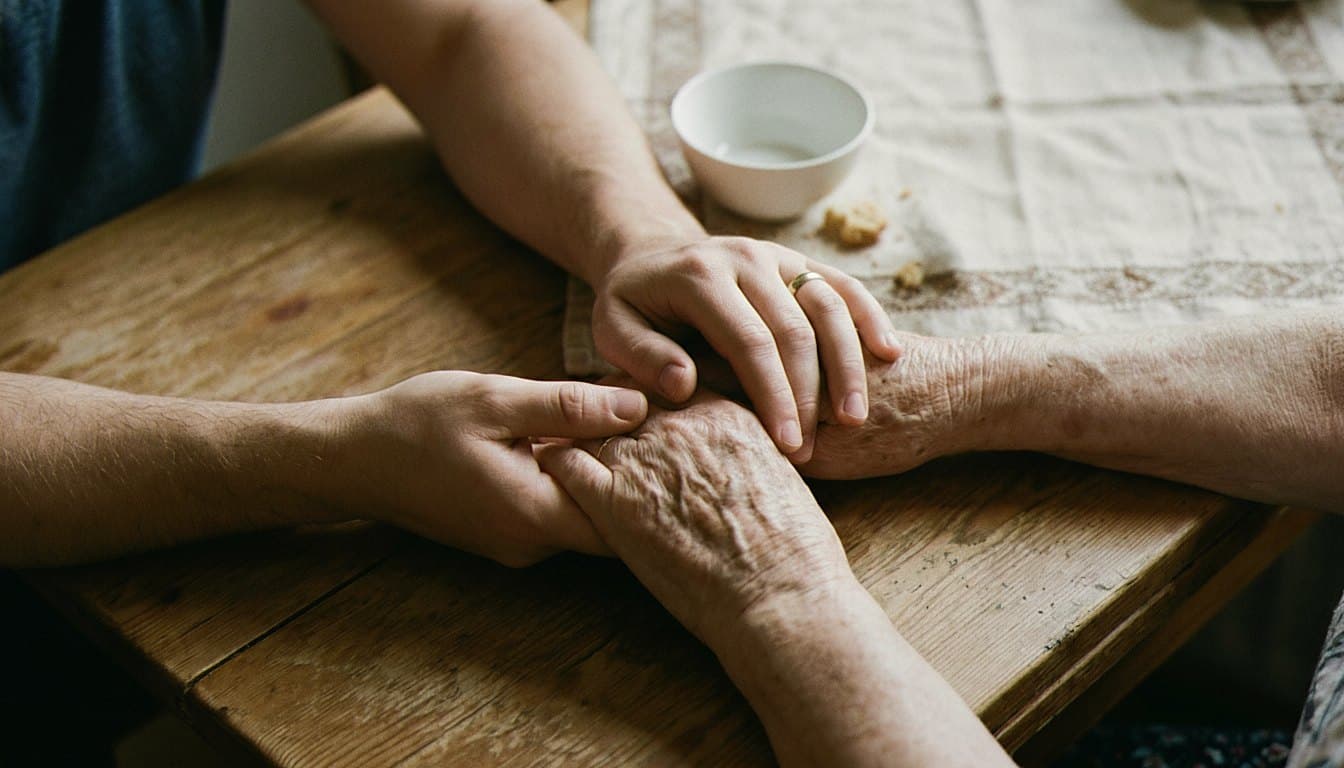
Hands hold beverage during hospital recovery
FAQ

What families ask before a discharge

What is the difference between personal care and companion care?
Companion care covers daily company and small tasks, like meals, errands, light housework, and a friendly check in. Personal care goes a step further and helps with bathing, dressing, grooming, and moving around the house safely. Many families start with companion care and add personal care as needs grow. We handle both kinds of in home care, and we shape the plan around what your loved one needs.
When could a caregiver start for your loved one here in Farmington Hills?
In most cases we can begin in home care within a day or two of your first call. If the need is urgent, we move faster and work to cover the very next shift. We start with a short visit to learn the routine, then we place a caregiver in the home. The timing depends on the hours you want and how soon you need them.
Does in home care work alongside hospice or home health nursing?
Yes. We work right beside hospice teams and visiting nurses, and we never get in their way. They handle the medical care, while our caregivers cover the daily hands on support, comfort, and company. We keep notes and stay in step with the rest of the care team.
Can you provide care after a hospital discharge when my parent comes home?
Yes. When your parent comes home from the hospital, we are there to help them settle in and stay safe. We assist with daily tasks, watch for warning signs, help follow the discharge plan, and keep the home calm. This is one of the times when steady support makes the biggest difference. We can start the day they come home.
How do you match a caregiver to my loved one?
We start by learning your loved one as a person, not just a list of tasks. We look at their needs, their daily rhythm, their likes, and the kind of company they enjoy. Then we pick a caregiver whose skills and manner fit. If the match is not right, we will change it until it is.
Ready when you are

Let's make your next steps easier

Tell us what is going on at your Farmington Hills home and we will walk you through the options. One call or one short form is all it takes.

Call (947) 208-6279Make your inquiry
CallContact us